Traceability work we've shipped
These are older deployments we did as Tracified, shared here with permission. They came before the current TilliT product, but the job is the same: connect where a product comes from to what a buyer can see.
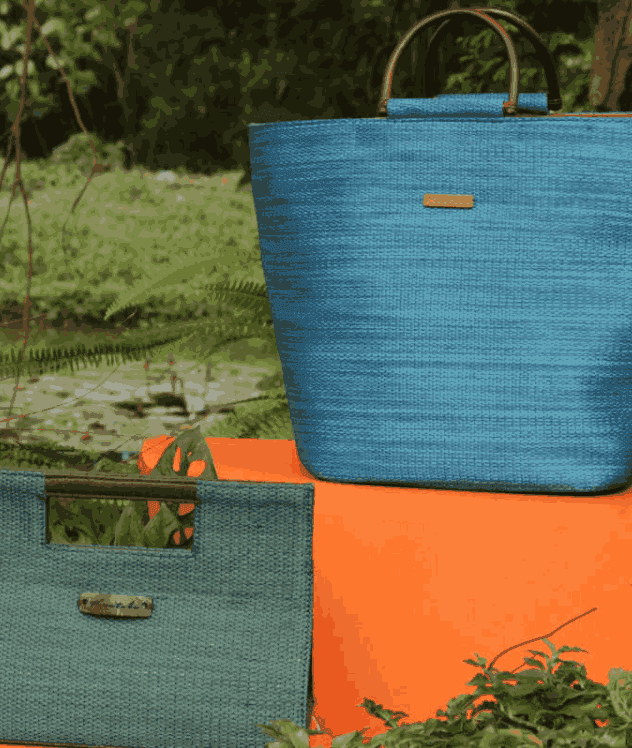

Tracified implemented a customized system to automate the workflows of the supply chain at Kantala. All the fetched data will be presented to the consumers and to the required parties in the form of texts, images, graphs, tabulations, statistical maps and averages. Since Kantala promotes the principle of fair trade and sustainability at all the stages in production process, Tracified will work as the best solution to support this and in turn would satisfy the additional requirements related to a fully-fledged traceability system.
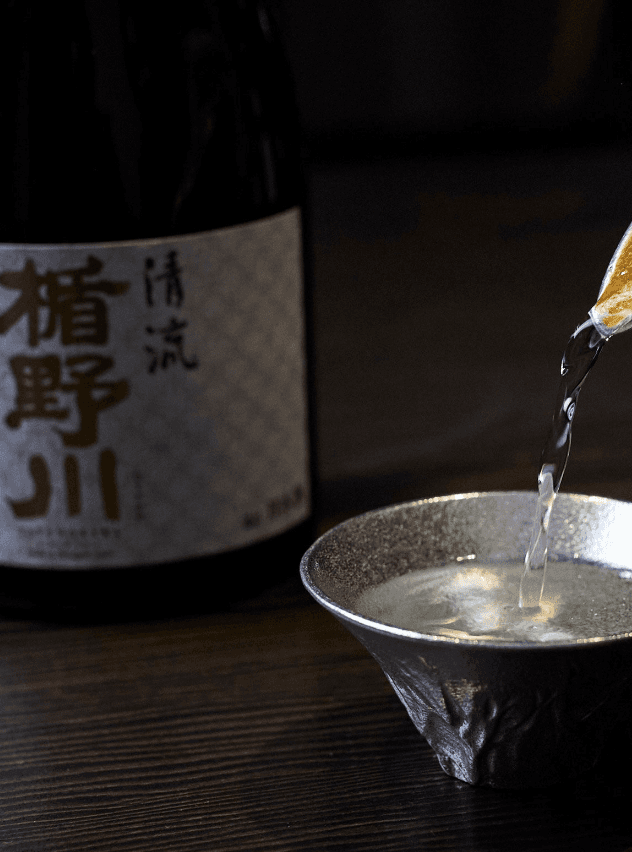
Tatenokawa Inc. is a company that has consistently pursued quality and contributed to the development of Japan’s culture of sake, food, and agriculture. Tracified has successfully implemented a blockchain-based traceability solution for their “SAKERISE” production to trace when, where, and by whom that product was made, and to make it traceable from the procurement of raw materials to production.

AGRARCO is a project funded and supervised by the Asian Development Bank (ADB) and managed by the Azerbaijan Food Safety Agency (AFSA). This is a part of a project where Tracified has piloted a food traceability solution in Azerbaijan at a National Level. Tracified has implemented a traceability solution secured with a public blockchain . Tracified executed a Radio Frequency Identification (RFID) mechanism for batch tracking whereby digital data encoded in RFID tags will be captured by RFID readers. Scanning QR codes and Barcodes of each and every bag or lot, of Hazelnut was a tedious task and it was overcome by the use of the RFID tags. Hazelnut bags contain RFID encoded tags and those could be read by the RFID readers located at the farms. It can also be read using handheld RFID readers.


GreenTech is a modern greenhouse complex built to grow vegetables in Azerbaijan, mostly tomatoes, with the conditions and equipment kept tightly controlled for good yields. Tracified has implemented a traceability solution secured with a public blockchain. Tracified executed a Radio Frequency Identification (RFID) mechanism for batch tracking whereby digital data encoded in RFID tags will be captured by RFID readers. Scanning QR codes and Bar codes of each and every lot and line of Tomatoes was a tedious task that was overcome by the use of the RFID tags. Each plot and line of tomatoes in the greenhouse, are fixed with RFID encoded tags and those could be read by the RFID readers located at the farms. It can also be read using handheld RFID readers.
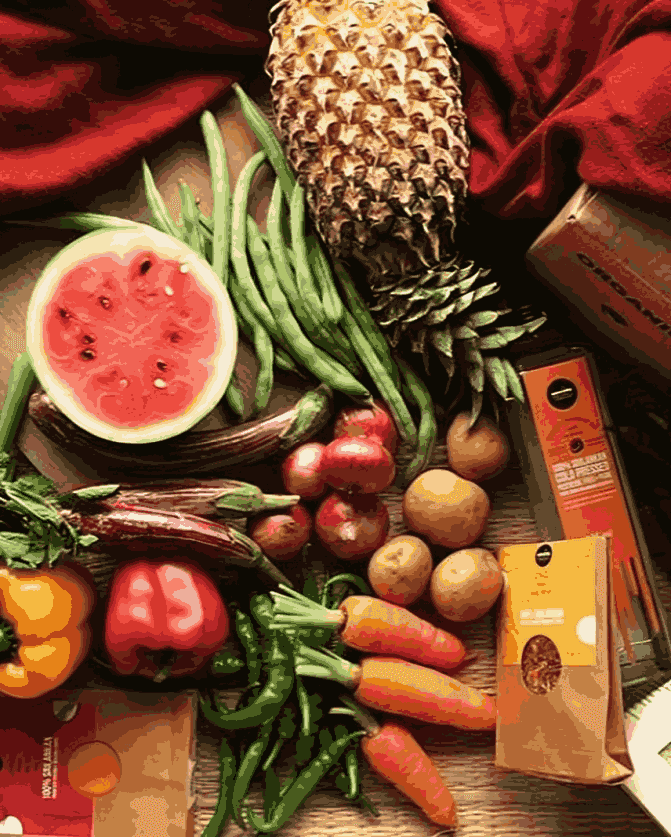
Saaraketha organics is one of Sri Lanka’s largest organic food suppliers with a massive distributed supply chain across the country. Tracified has been able to enable Traceability for these organic items from the beginning to the point of sale both online and offline.


In the Supply Chain Cinnamon farming and exporting has plenty of different parties. This could be varied for each exporter based on the scale of their business. However, a basic Cinnamon supply chain will compromise the farmer, processing technician, collector, sorting technician, packaging and exporter. For Cinnamon exportation in Sri Lanka to implement traceability, there will be several main stakeholders. The identified stakeholders as mentioned below will have a specific web portal for viewing and entering data whenever it’s necessary and needed.

In the premium gemstone trade, a stone passes through a lot of specialist hands before it reaches a buyer: the miner, the heat-treatment technician, the master lapidary, an independent gemological appraiser, and finally the e-tailer, RURI. Tracified set up a multi-stakeholder system where each party gets its own access point, from mobile apps for field data entry to secure web portals for official certifications. Stakeholders enter and sign data with cryptographic keys, so every stone's "digital twin" is backed by verified, tamper-evident records at each hand-off, and the buyer ends up with a purchase they can actually check.